
DONATE HERE TO HELP AREA FAMILIES STAY WARM United Way of Carlisle & Cumberland County has been providing emergency heating assistance to families in need in the Carlisle area for about 20 years. The primary goal is to help families that may not qualify for LIHEAP, the Low-Income Home Energy Assistance Program, but are struggling financially.
NOW UNDERWAY
United Way of Carlisle & Cumberland County has been providing emergency heating assistance to families in need in the Carlisle area for about 20 years. The primary goal is to help families that may not qualify for LIHEAP, the Low-Income Home Energy Assistance Program, but are struggling financially.
Applicants must live in our service area of Carlisle, Boiling Springs, Mount Holly Springs, New Kingston, Plainfield, Gardners, and Newville.
NOTE: The Commonwealth of Pennsylvania has announced that it will not open LIHEAP until at least December 3 this year because of delays in receiving funds from HUD due to the federal government shutdown. United Way anticipates that we will have greater demand on this program that usually and is seeking support from the community. Click here to DONATE before December 3 to help your neighbors stay safe and warm this winter and your gift will be doubled thanks to generous contributions from the M&T Charitable Foundation and the Partnership for Better Health.
UWCCC will pay for up to a pre-determined number of gallons of fuel to those who qualify ONE time per heating season (propane, kerosene, fuel oil, wood pellets). This may be adjusted based on the delivery amount of the provider.
Those 55 and older will be referred to the Todd Baird Lindsey Devlin Foundation.
No application will be processed without proper documentation, including proof of income, identification and an invoice/bill from the heating vendor.
United Way offers assistance in the form of a cash grant, sent directly to the heating/oil company. The money is never given directly to the recipient.
The program will remain open until funding has been exhausted or May 1, 2026.
Questions about receiving an application should be directed to Jason Maddux, Community Impact Director for the United Way of Carlisle & Cumberland County: [email protected] or 717-243-4805.
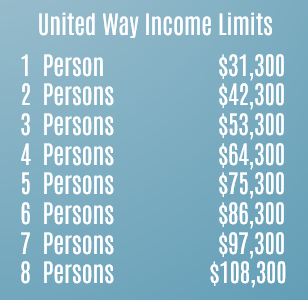
Gross household income cannot exceed the following levels (based on 200% of the Federal Poverty Income Guidelines):